Jul 12, 2026Success Stories
Why does SMT (Surface Mount Technology) experience material throwing problems?
During the SMT (Surface Mount Technology) assembly production process, it is difficult to completely avoid the problem of material rejection by the SMT assembly machine.
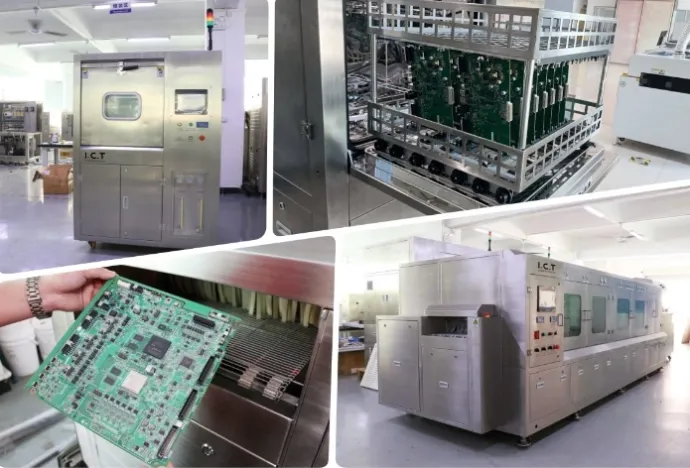
Why does SMT (Surface Mount Technology) experience material throwing problems?
During the SMT (Surface Mount Technology) assembly production process, it is difficult to completely avoid the problem of material rejection by the SMT assembly machine. The SMT material rejection mainly refers to the situation in the SMT assembly process where the assembly machine picks up the material but fails to place the component at the designated position, instead throwing the component into the rejection box or other places, or not picking up the material at all and performing the above rejection action.
The misfeeding of SMT components not only leads to material waste, but also reduces production efficiency and increases production costs. Therefore, in order to improve the production efficiency of surface mount technology (SMT) and reduce costs, the problem of misfeeding needs to be addressed promptly. Below, we will briefly introduce the causes and solutions of common misfeeding phenomena.
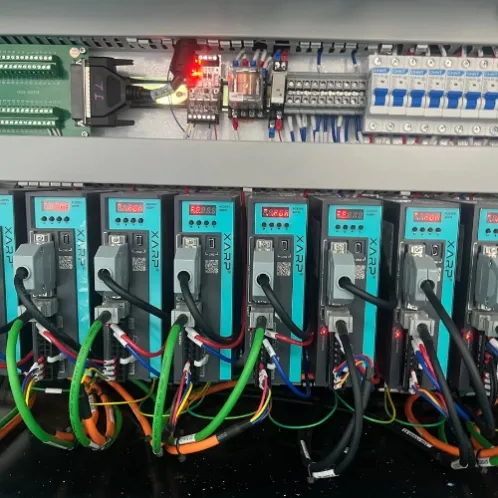
- Nozzle issue
The nozzles of the laminating machine are deformed or clogged, which leads to insufficient air pressure, air leakage, and thus results in inability to properly suck and take materials, incorrect material extraction, and failure of material recognition, causing the phenomenon of material rejection.
Solution: Clean and replace the suction tips of the soldering station.
2. Identification of system issues
The identification function of the SMT processing soldering machine or the laser lens may be contaminated, causing interference in identification due to foreign objects, improper selection of the light source and insufficient intensity and grayscale, or the identification system may be damaged.
Solution: Clean the surface of the recognition system to keep the camera clean and free from any debris or dirt. Adjust the intensity and grayscale of the light source. If the recognition system is damaged, replace the damaged components.
3. Positioning Issues
The material is not taken from the center of the material, the picking height is incorrect (generally, it is considered correct when the part is touched and then pressed down by 0.05MM), resulting in deviation. The picking is not accurate and there is offset. When identified, it does not match the corresponding data parameters and is thus discarded by the identification system as an invalid material.
Solution: Adjust the material collection position.
4. Vacuum Issues
Insufficient air pressure is usually caused by blockages or leaks in the vacuum pipe channels. When the air pressure is insufficient, it is impossible to take the material normally. Usually, the material cannot be taken up or, after being taken up, it will fall during the process of being pasted.
Solution: Adjust the air pressure on the steep slope to the required pressure value specified by the equipment (such as 0.5 - 0.6 Mpa - for YAMAHA surface mounters), clean the air pressure pipeline, and repair any leaking air paths.
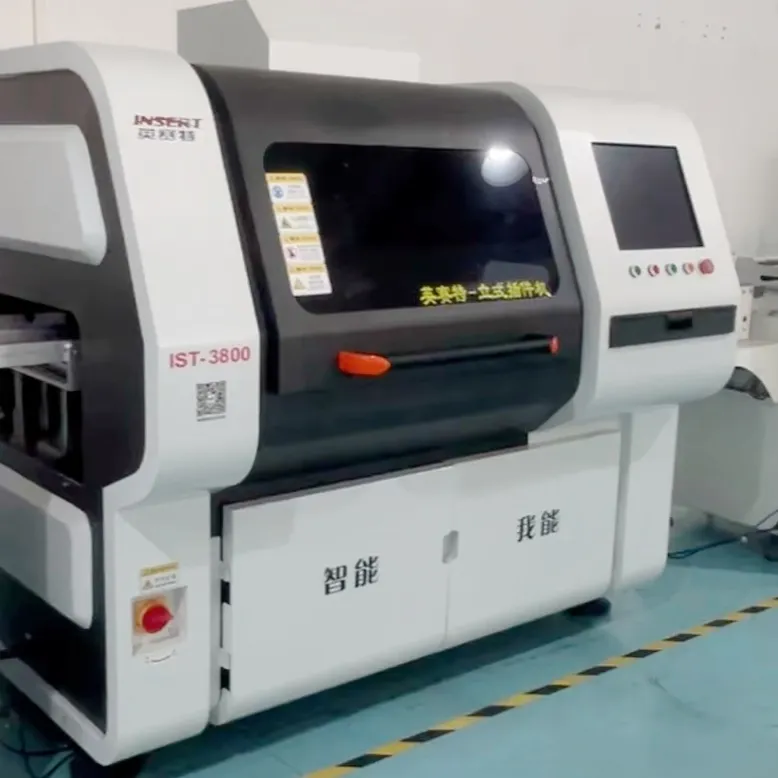
5. Program Issues
The component parameters set during the patch program editing do not match the actual dimensions and brightness of the incoming materials, resulting in failed recognition and subsequent discarding.
Solution: Adjust the component parameters and search for the optimal parameter settings for the components.
6. Issues with incoming materials
The incoming materials are irregular, including defective products such as those with oxide on the pins.
Solution: The IQC should conduct incoming material inspection and contact the component supplier.
7. Feeder Problem
The position of the feeder is deformed. The feeder fails to supply materials properly (the rack of the feeder is damaged, the material belt hole is not properly engaged with the rack of the feeder, there are foreign objects below the feeder, the spring is aging, or the electrical system is malfunctioning), resulting in insufficient or improper material extraction and material throwing. There is also damage to the feeder.
Solution: Adjust the feeder, clean the feeder platform, replace the damaged parts or the feeder.
When there is a phenomenon of material spillage that needs to be addressed, one can first consult the on-site personnel. By describing the situation, and then based on observation and analysis, the problem can be directly identified. This approach is more effective in finding and solving the problem, and at the same time, it can improve production efficiency.