Jul 12, 2026Success Stories
Why is the post-welding process used?
During the production of DIP plugs, wave soldering is usually used for welding, which can enhance the welding efficiency and enable mass production.
Why is the post-welding process used?
During the production of DIP plugs, wave soldering is usually used for welding, which can enhance the welding efficiency and enable mass production. However, some components that are not resistant to high temperatures cannot be soldered by wave soldering. In such cases, post-welding processing needs to be employed - requiring employees to use electric soldering irons for the welding. The welding speed of post-welding processing is relatively slow, but it is also a very important form of welding.
The five reasons for post-weld processing:
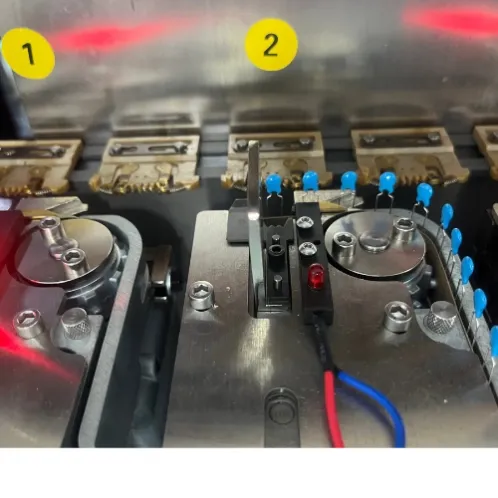
1. Components are not resistant to high temperatures
Nowadays, lead-free technology is becoming increasingly popular. During wave soldering, the temperature inside the furnace is higher than that of lead. Therefore, some components that are not resistant to high temperatures cannot pass through wave soldering.
2. Excessive component height
Wave soldering has a certain limit on the height of components. If the component is too high, it may fail to pass the wave soldering process.
3. There are a few components on the side facing the peak wave soldering area.
On a circuit board, there will be some components on the side where wave soldering occurs at the peak. If the number of components is small, post-soldering processing can be used to increase efficiency.
4. Component inserts are close to the process edge
The position of the component inserts near the edge of the board will come into contact with the assembly line, thereby affecting the normal soldering process.
5. Special Components
For components with high sensitivity that have special requirements from the customers, they cannot be processed by wave soldering either. Post-soldering processing is a very important soldering method in PCBA processing. It can make up for the shortcomings of wave soldering and improve the soldering efficiency.
One final point to note is that after the post-weld processing is completed, a comprehensive QA inspection must be carried out to ensure that the product quality meets the standards.