Jul 19, 2026Services Overview
One stop SMT whole line solution: core selection and avoidance guide for building electronic factories
For EMS companies and electronic brands planning to build new electronic manufacturing plants, expand production solution is the core that determines
One stop SMT whole line solution: core selection and avoidance guide for building electronic factories
For EMS companies and electronic brands planning to build new electronic manufacturing plants, expand production, and upgrade, a mature one-stop SMT assembly line solution is the core that determines the speed of capacity implementation, production yield, and return on investment.
Many factories only focus on the purchase price of a single equipment during the initial selection process, neglecting the compatibility of the entire line equipment, process matching, and long-term service capabilities. This ultimately leads to delayed production and lower than expected yield rates, ultimately driving up overall costs. This article will break down the core value and selection key of the turnkey SMT whole line solution from a practical implementation perspective, helping manufacturing enterprises avoid procurement misunderstandings.
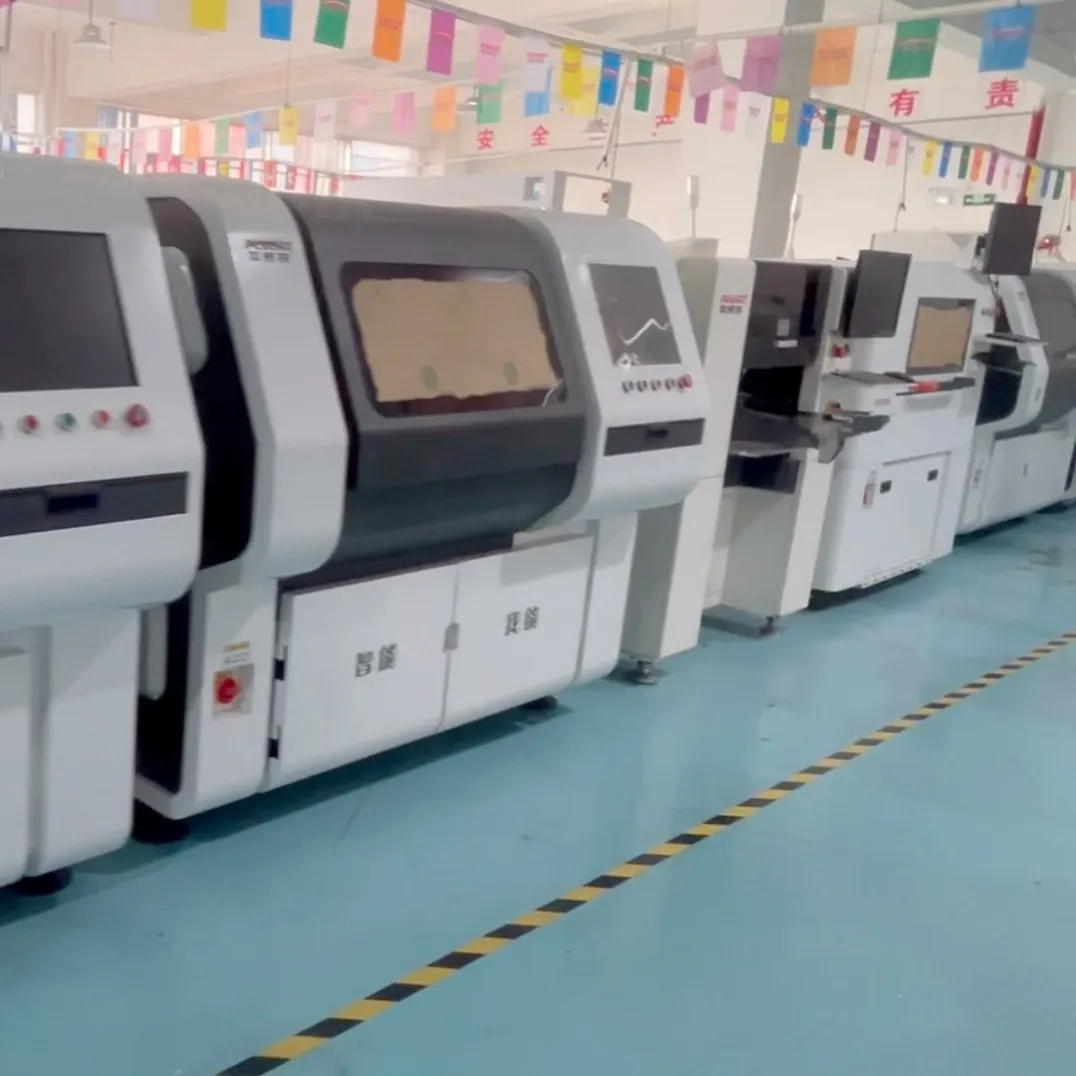
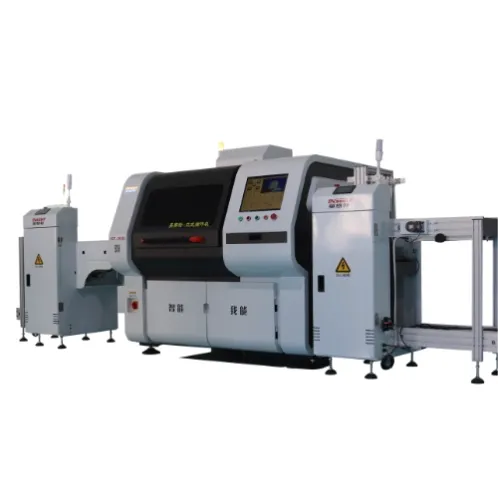
The so-called one-stop SMT whole line solution, also known as turnkey SMT solution, refers to a full process service provided by a single supplier, including preliminary process evaluation, workshop layout planning, complete equipment matching, on-site installation and debugging, operator training, and long-term after-sales maintenance. The complete SMT production line covers five core processes: solder paste printing, high-speed SMT, reflow soldering, optical inspection, and board transfer. It is equipped with auxiliary equipment such as board loading machines, connection stations, and solder paste mixing, which can achieve fully automated production of PCBs from board entry to finished product exit.
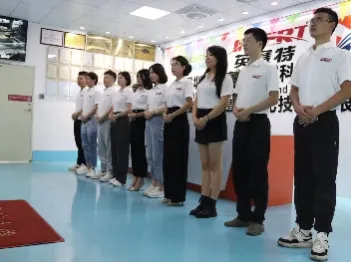
Compared to enterprises purchasing equipment from different brands and assembling production lines on their own, the core advantages of a one-stop whole line solution are strong equipment compatibility, short delivery cycles, and unified after-sales responsibilities. The entire line equipment adopts a unified SMEMA communication protocol, which can achieve data interconnection and linkage control throughout the line, avoiding the additional cost of connecting and debugging different brands of equipment; Simultaneously, the same service provider is responsible for the full process implementation, significantly shortening the factory's cycle from project approval to mass production.
A set of SMT assembly lines that are suitable for mass production needs should be selected based on three core dimensions. The first is the matching degree between production capacity and products. Enterprises need to determine the mounting speed of the surface mount machine, the number of reflow soldering temperature zones, and the accuracy level of the printing machine based on the PCB size, component type (from 01005 micro components to large connectors), and daily production capacity target of their own products, in order to avoid blindly pursuing high-end configurations that lead to wasted production capacity or insufficient configurations that cannot meet production needs.
The second is the scalability and upgrade space of the entire line. The electronic industry has fast product iteration, and production line design needs to reserve upgrade space. For example, surface mount machines support expansion of feeding stations, reflow soldering supports temperature zone upgrades, and control systems support MES system integration, which can adapt to future product upgrades and capacity improvement needs, and extend the life cycle of production lines.
The third is the global service capability of suppliers. For overseas factories or export-oriented manufacturing enterprises, the overseas technical support network of suppliers is crucial. A supplier with global on-site service capabilities can provide equipment installation and commissioning, on-site process training, and guarantee a 2-hour response to after-sales issues and a 24-hour solution to avoid long-term production losses caused by equipment failures.
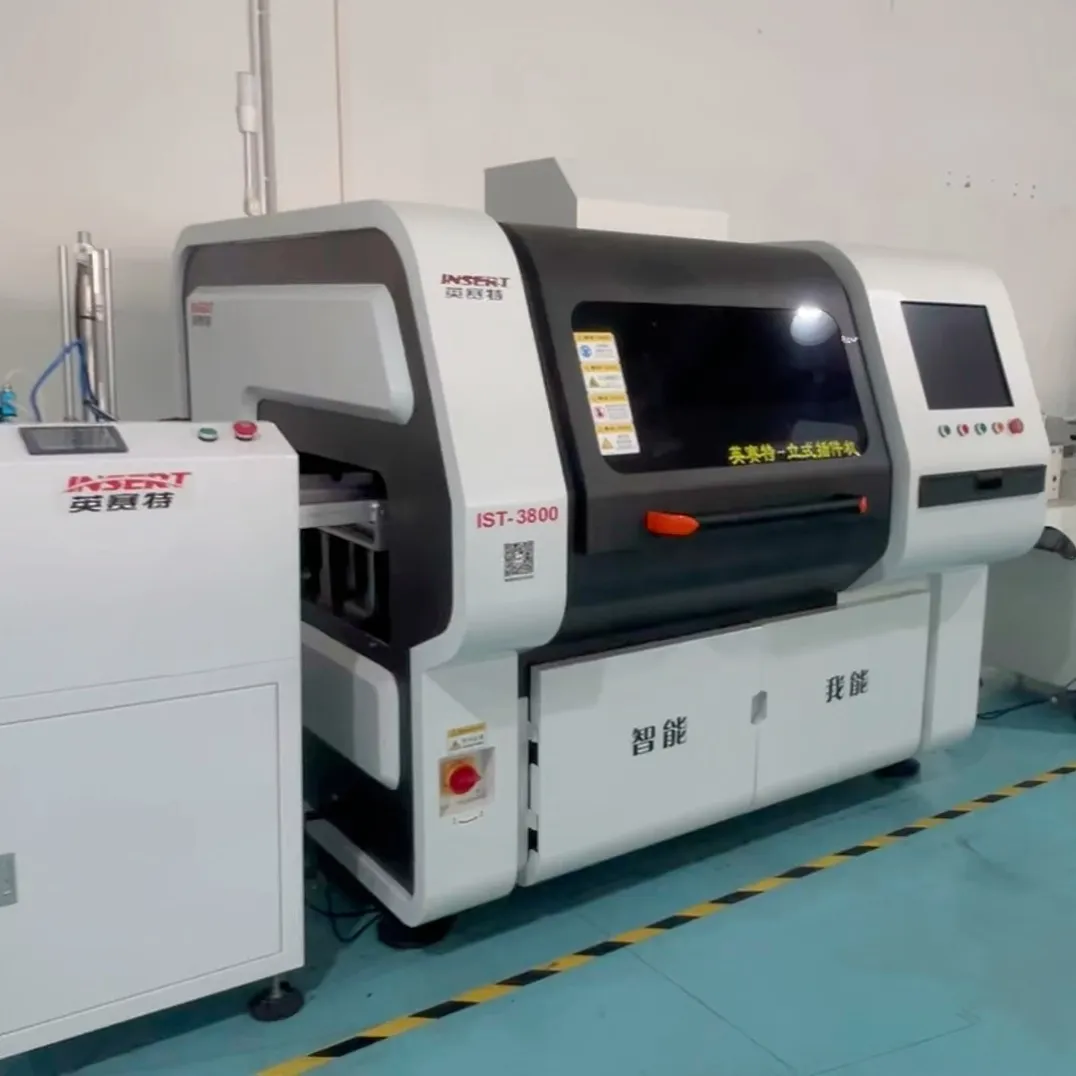
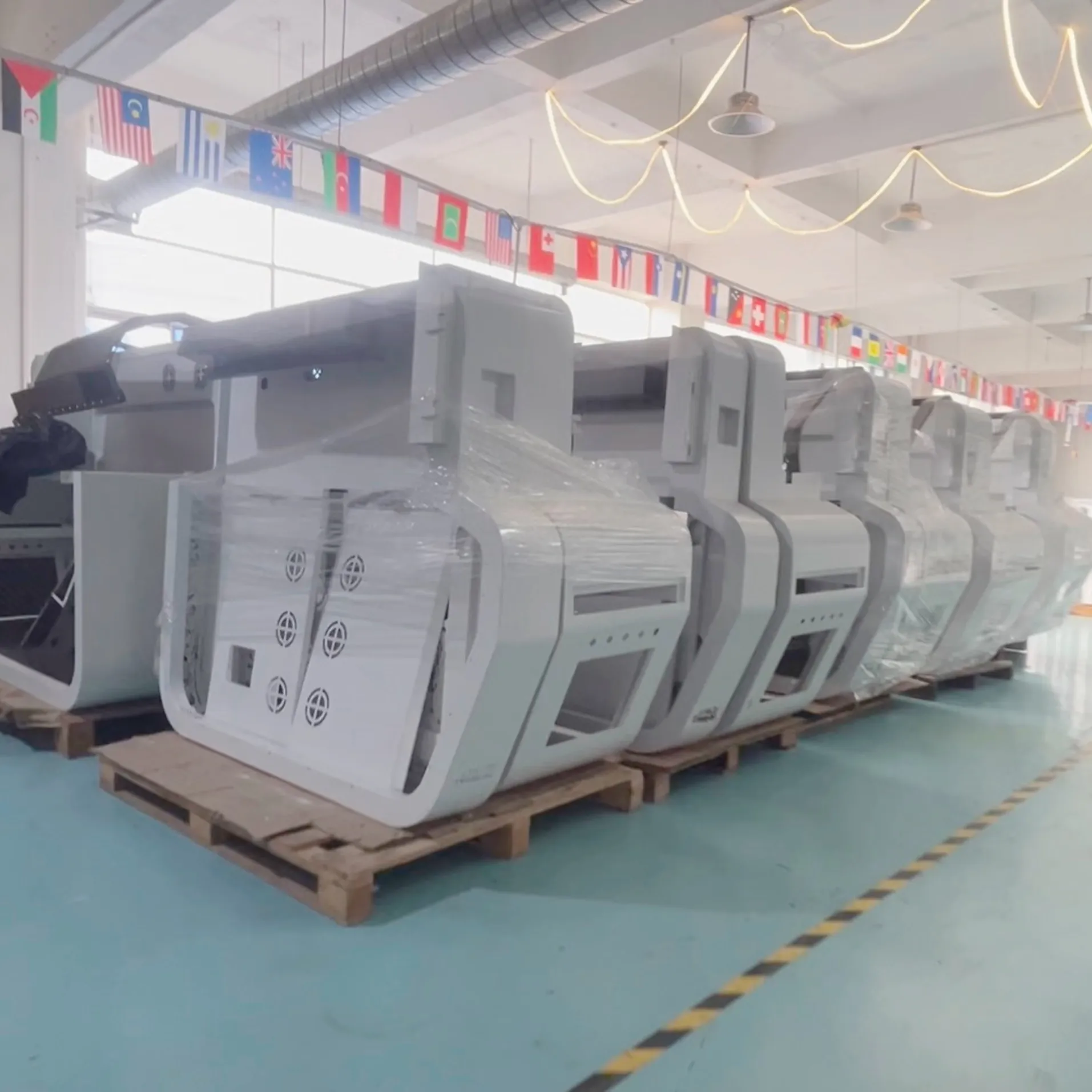
There are three common misconceptions to avoid in SMT whole line procurement.
- One is to only look at the unit price of a single device, ignoring the comprehensive implementation cost of the entire line. Although the unit price may seem lower for scattered procurement, the implicit costs of equipment adaptation, debugging, and fault accountability are much higher than those of the entire line plan.
- The second is blindly pursuing high-speed high-end configurations, deviating from its own product positioning, and using high-end automotive electronic grade equipment to produce low-end consumer electronics products, significantly reducing the return on investment.
- Thirdly, neglecting process technology support, equipment is only a production carrier, and the supplier's process debugging ability and personnel training system are the key factors determining the actual production yield.
Overall, the core of the one-stop SMT assembly line solution has never been the simple stacking of equipment, but the deep integration of process capabilities and service systems. For electronic manufacturing enterprises, choosing suppliers with full case delivery capabilities, global service networks, and mature process accumulation is essential to ensure smooth factory production and achieve long-term stable high-quality mass production.