Jun 26, 2026Services Overview
Don't underestimate that temperature! Reflow soldering is the key to SMT component assembly - A comprehensive analysis of the reflow so ensuring that every solder joint is more reliable.
Don't underestimate that temperature! Reflow soldering is the key to SMT component assembly - A comprehensive analysis of the reflow soldering process, ensuring that every solder joint is more reliabl
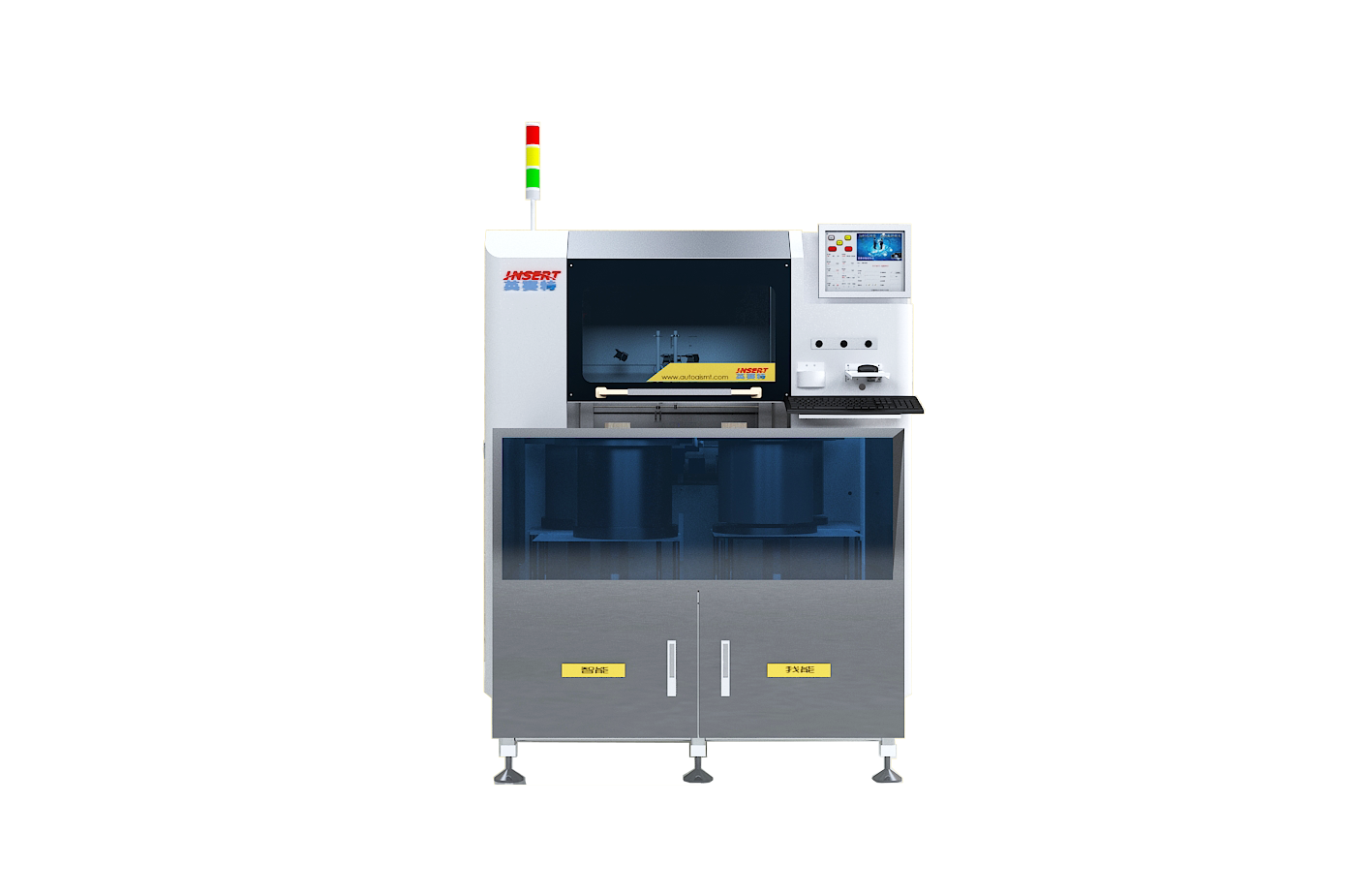
Don't underestimate that temperature! Reflow soldering is the key to SMT component assembly - A comprehensive analysis of the reflow soldering process, ensuring that every solder joint is more reliable.
I. Introduction: Small Solder Joints, Great Impact
In modern electronic manufacturing, **SMT (Surface Mount Technology)** has become the mainstream. From smartphones to automotive electronics, from drones to AI devices, almost all circuit boards undergo SMT soldering processing. Throughout the entire SMT process, "welding" is the key环节 that determines product quality. No matter how precise the placement or how expensive the components are, if the welding is not done properly, all efforts will be wasted in the end. Among them, the most important and most technologically demanding part is - reflow soldering (Reflow Soldering). In this article, we will take you to deeply understand the core of SMT soldering processing - reflow soldering, from its principle, process to quality control, and you can understand it all in one article.
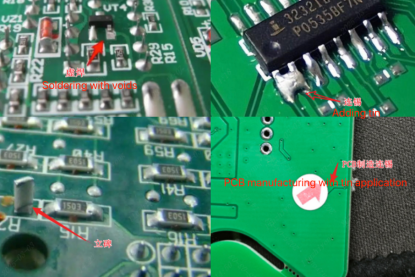
II. Overview of the Overall Process of SMT Soldering
Before discussing the welding process, let's briefly review the entire SMT process to understand its position in the overall procedure.
Solder Paste Printing
Using a steel mesh, the solder paste is precisely printed onto the PCB pads, laying the foundation for subsequent soldering.
2. Component Placement
The automatic soldering machine precisely picks up SMD components and places them on the solder pads coated with solder paste.
3. Reflow Soldering
By using the temperature curve control, the solder paste melts and then solidifies, forming a firm solder joint.
4. Inspection (AOI/X-Ray)
Automatically detect solder joints, positions and defects to ensure welding quality.
Among these four steps, the first two are preparations, and the third step is the crucial one that truly "finalizes" the circuit board.
III. The Principle of Reflow Soldering
1. What is reflow soldering?
Reflow soldering is a welding process that melts the solder paste and forms solder joints through heating.
It relies on hot air flow or infrared heating to raise the temperature of the PCB and the component pads. The solder in the solder paste melts, flows, wets, and eventually forms a firm metal bond after cooling. The term "reflow" means:
The hot air flow circulates along a fixed path (reflow), during which heat energy is transferred, ensuring uniform heating of all solder joints.
2. The functions of reflow soldering
Forming electrical connections (conducting signals, current)
Providing mechanical support (fixing components)
Improving product reliability (抗震, anti-detachment)
3. The core principle of reflow soldering.
As the temperature gradually rises, the flux in the solder paste begins to activate, removing the oxide layer on the metal surface.
Subsequently, the solder melts and wets the surface of the solder pads and the pins of the components, forming an alloy layer (intermetallic compound, IMC).
After cooling, this layer of alloy firmly adheres together, and the solder joints are completed. The entire process may seem simple, but every temperature change affects the structure and reliability of the solder joints.
IV. Detailed Explanation of the Temperature Curve for Reflow Soldering
The temperature curve (Reflow Profile) is the essence of reflow soldering.
A scientifically sound curve can ensure that the solder joints are firm and the components are not damaged. The typical reflow soldering temperature curve is divided into four stages:
Stage Main Objective Temperature Range (℃) Time (s)
Preheat zone (Preheat): gradually heats up to prevent thermal shock; activate the soldering agent. 120~150 60~90
Constant Temperature Zone (Soak) : Maintain temperature, allow the soldering agent to fully react and remove oxidation. 150~180 60~120
The reflow zone (Reflow) causes the solder paste to melt, forming solder joints of
220 to 250 (peak value 245 ± 5) 20 to 40
Cooling zone (Cooling) solidifies the solder joints and controls the grain structure.
<180 Natural or forced cooling
Key points for temperature control:
The heating rate is generally 1–3 ℃/s to prevent component cracking or solder paste splashing;
The peak temperature is slightly higher than the solder melting point by 25–30 ℃;
Too fast cooling speed will cause stress cracks at the solder joints, while too slow cooling will result in coarse grains affecting strength.
V. Key Roles of Solder and Solder Paste
1. Composition of Solder Paste
Solder paste is composed of solder powder and flux.
Solder powder: Main components include metals such as Sn, Ag, and Cu;
Flux: Used to remove oxides and enhance wetting properties.
2. Types of Solder
Lead-containing solder (Sn63Pb37): Melting point 183℃, good wetting properties, but not environmentally friendly;
Lead-free solder (Sn96.5Ag3.0Cu0.5): Melting point 217℃, complies with RoHS environmental protection standards.
3. Importance of Solder Paste Printing
The thickness and accuracy of solder paste printing determine the quality of the solder joints.
The common thickness is controlled at 0.12–0.18mm, and the opening of the steel mesh needs to precisely match the size of the solder pads.
VI. Equipment and Process Control for Reflow Soldering
1. Structure of the Reflow Soldering Furnace
A reflow soldering furnace typically has 5 to 10 temperature zones:
The first three zones are responsible for preheating and maintaining a constant temperature;
The middle 1 to 2 zones are the reflux peak zones;
The last 1 zone is the cooling zone.
Common heating methods:
Infrared heating: Utilizes radiation for heat transfer;
Hot air convection heating: Better uniformity, the mainstream in modern times;
Nitrogen protection reflow soldering: Reduces oxidation, enhances soldering brightness and reliability.
2. Process parameter monitoring
Excellent SMT factories (such as Insite SMT) will use temperature curve testers (Profiler) to conduct multi-point real-time temperature tests before mass production of products, to ensure that each solder joint is within the optimal temperature range. In addition, they will also use:
AOI automatic optical inspection system;
X-Ray inspection system (for BGA/QFN bottom solder joints);
MES system for real-time monitoring of furnace temperature and yield.
VII. Common Problems and Solutions in Reflow Soldering
Problem Possible Causes Solutions
Cold Joint (Poor Soldering) Insufficient temperature, insufficient solder paste volume, moisture Adjust peak temperature, check freshness of solder paste
Bridging (Solder Bridge) Excessive solder paste application, too small component spacing Optimize stencil design
Tombstone (Solder Spiker) Inconsistent heating or asymmetric solder pads Improve wiring and reflow airflow
Solder Ball (Solder Ball) Rapid preheating, incomplete evaporation of flux Control heating rate
Bubble/Aperture (Void) Residual flux, moisture in solder paste Preheat in advance, control environmental humidity
Blackened solder joints Severe oxidation or overheating Use nitrogen reflow or optimize curve
VIII. Quality Inspection and Reliability Verification
After the reflow soldering process is completed, quality inspection is of utmost importance.
AOI inspection
Automatically detects issues such as solder joint morphology, offset, missing components, and bridging of solder.
2. X-Ray Inspection
Inspect bubbles and voids within the internal structure of BGA, QFN, etc., which are not visible.
3. ICT Online Test
Tests the electrical connectivity after welding.
4. FCT Function Test
Simulate the actual working environment to test the overall board functionality.
5. Reliability Verification
This includes high-temperature aging tests, cold and hot shock tests, vibration tests, etc.
IX. Development Trends of Modern Reflow Soldering
1. Lead-Free and Environmental Protection
The RoHS standard has promoted the widespread use of lead-free solder.
The reflow soldering temperature needs to be higher and more precise. Manufacturers must upgrade their equipment and temperature control algorithms.
2. Miniaturization and High Density
As **HDI (High-Density Interconnect Board)** and 01005 packaging become more widespread, reflow soldering needs to achieve more precise thermal distribution and airflow control.
3. Intelligence and Closed-loop Control
Modern SMT factories achieve real-time monitoring of the welding process, automatic temperature adjustment, and abnormal alarm through intelligent reflow soldering equipment and the MES system, significantly improving the yield rate.
4. Trend of Nitrogen-Protected Reflow Soldering
The nitrogen environment can prevent oxidation and improve the gloss and wetting property of solder joints.
It has become a standard in high-reliability industries such as automotive electronics and medical equipment.
X. Conclusion: Only a good soldering can be considered true manufacturing
Reflow soldering is the "soul project" of SMT component assembly. It seems to be just a temperature control process, but in fact, it integrates comprehensive technologies such as materials science, thermodynamics, automation, and quality engineering. In modern electronic manufacturing, the quality of solder joints = the reliability of the product. From stencil printing of solder paste to temperature zone control, from AOI inspection to intelligent reflow, every step requires precision and stability. Choosing a manufacturer like IST SMT with advanced equipment and strict quality management not only allows you to achieve high yield soldering results, but also enables your products to be ready for mass production from R&D to production in one step. Every solder joint is the crystallization of technology and trust.