Jun 26, 2026News & Insights
The Ultimate Guide to Choosing the Right SMT Machine for Your Production Needs
The Ultimate Guide to Choosing the Right SMT Machine for Your Production Needs In the rapidly evolving world of electronics manufacturing, understanding SMT machines is essential for staying competiti
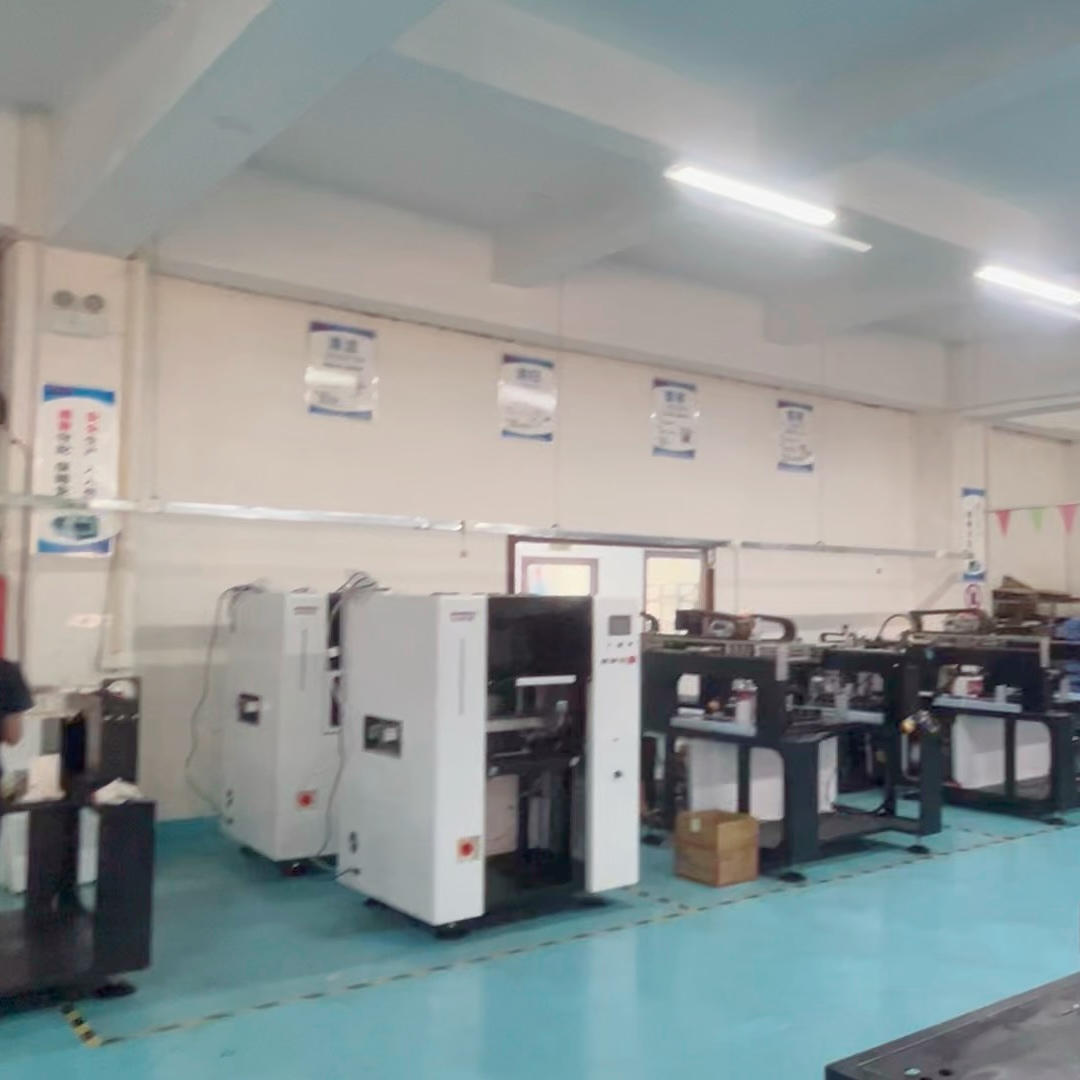
The Ultimate Guide to Choosing the Right SMT Machine for Your Production Needs
In the rapidly evolving world of electronics manufacturing, understanding SMT machines is essential for staying competitive. These precision systems have revolutionized electronic assembly by automating processes that were once labor-intensive and error-prone. With their ability to place components with micron-level accuracy, SMT machines are indispensable for modern production lines of all sizes.
Understanding SMT Machines and Their Purpose
An SMT (Surface Mount Technology) machine automates the assembly of electronic components directly onto the surface of printed circuit boards (PCBs). This method has replaced traditional through-hole technology as the industry standard, enabling the production of smaller, lighter, and more powerful electronic devices.At its core, an SMT pick and place machine uses a robotic arm with specialized nozzles to pick components from feeders or trays, verify their orientation using vision systems, and place them accurately on prepared PCB pads. This seamless automation significantly increases production speed, reduces human error, and enables the assembly of high-density circuit boards that would be impossible to manufacture manually.
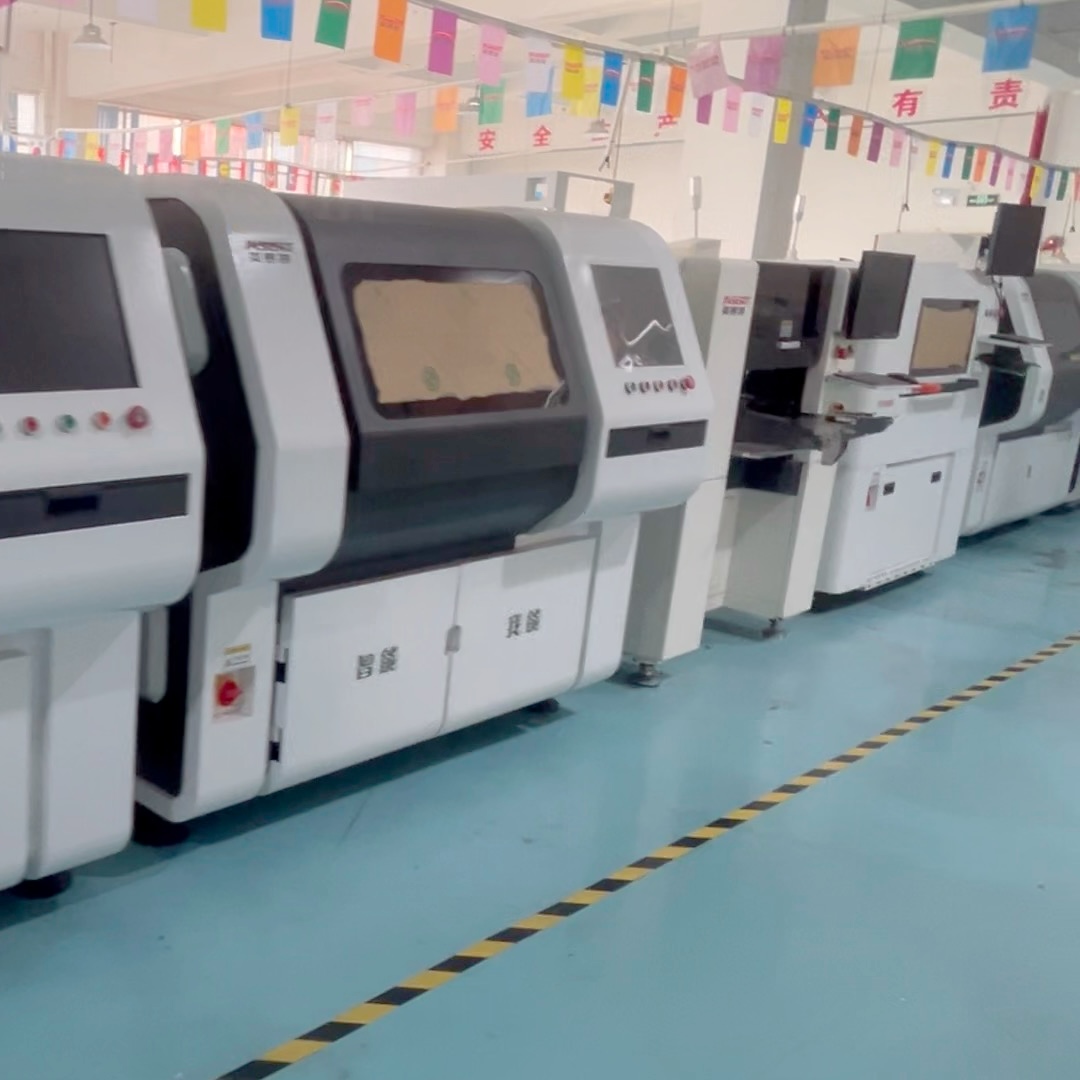
Key Factors in SMT Machine Selection
Choosing the right SMT machine requires careful evaluation of your specific production requirements:
- Component Types: Ensure the machine can handle all component sizes and packages you use, from tiny 01005 chips to large BGAs and connectors.
- Production Volume: Match the machine’s placement speed (components per hour, CPH) to your monthly production requirements.
- Floor Space: Consider the machine’s footprint and ensure it fits in your production facility.
- Future Scalability: Select a machine that can accommodate future growth and evolving technology requirements.
- Ease of Use: Look for intuitive software interfaces and quick changeover capabilities to minimize downtime between production runs.
Cost Considerations for SMT Machines
The price of SMT machines varies widely based on their capabilities, features, and manufacturer. Budgeting for an SMT pick and place machine requires considering both initial purchase costs and long-term operational expenses:
- Initial Investment: Entry-level machines start at $15,000, while high-speed production systems can exceed $500,000.
- Operating Costs: Include electricity consumption, consumables (nozzles, feeders), and regular maintenance.
- Training Costs: Budget for operator training to ensure maximum machine utilization and performance.
- Upgrade Costs: Consider future upgrades to expand component compatibility or increase speed.
When comparing prices among SMT machine manufacturers, focus on total cost of ownership (TCO) rather than just initial purchase price. A slightly more expensive machine with better reliability and lower maintenance costs may provide better long-term value.
What Does SMT Stand For?
SMT stands for Surface Mount Technology, a manufacturing method where electronic components are mounted directly onto the surface of PCBs. This technology emerged in the 1960s as engineers sought more efficient ways to assemble electronic devices as they became smaller and more complex.The shift from through-hole to surface mount technology was a pivotal moment in electronics history, enabling the miniaturization revolution that gave us smartphones, laptops, and wearable devices. Today, SMT is used in virtually all electronic products, from consumer electronics to aerospace and medical devices.
Applications of SMT Technology
SMT machines are used across a wide range of industries:
- Consumer Electronics: Smartphones, tablets, laptops, and wearables
- Automotive: Engine control units (ECUs), infotainment systems, and ADAS components
- Medical Devices: Pacemakers, diagnostic equipment, and monitoring devices
- Aerospace and Defense: Avionics, communication systems, and guidance systems
- Industrial Electronics: PLCs, sensors, and automation equipment
The versatility of SMT technology allows manufacturers to produce complex electronic devices efficiently and cost-effectively, driving innovation across all sectors of the global economy.
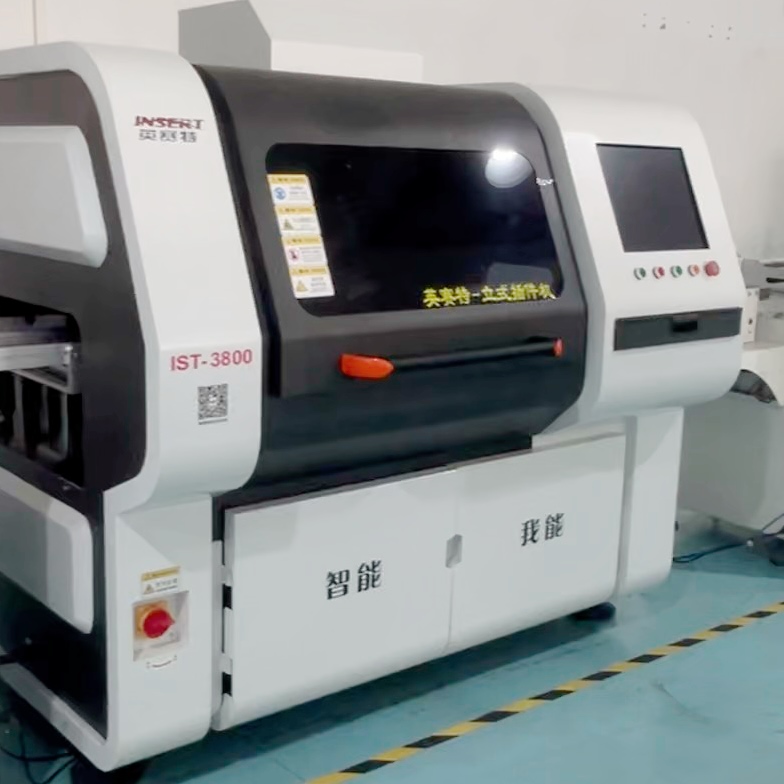
SMT Machine Price: What to Expect
SMT machine prices vary significantly based on their capabilities:
- Entry-Level Machines: $15,000–$50,000. Suitable for prototyping, small-batch production, and hobbyists.
- Mid-Range Machines: $50,000–$200,000. Ideal for medium-volume production and multi-variant manufacturing.
- High-End Production Machines: $200,000–$500,000+. Designed for high-volume, high-density assembly in large manufacturing facilities.
When budgeting for an SMT machine, remember to include additional costs such as installation, training, spare parts, and ongoing maintenance. It’s also wise to set aside a contingency fund for unexpected repairs or upgrades.
Choosing SMT Machine Manufacturers
Selecting the right SMT machine manufacturer is crucial for ensuring you get a reliable, high-performance machine that meets your production needs. When evaluating manufacturers, consider:
- Reputation and Experience: Look for manufacturers with a proven track record of producing high-quality SMT equipment.
- Product Range: Ensure the manufacturer offers machines that match your current and future production requirements.
- After-Sales Support: Choose a manufacturer that provides comprehensive technical support, spare parts availability, and training programs.
- Innovation: Select a manufacturer that invests in research and development to stay ahead of industry trends.
Bensun Technology stands out among SMT machine manufacturers by offering high-quality, reliable equipment at competitive prices. Their commitment to customer service and continuous innovation makes them an excellent choice for businesses of all sizes looking to invest in SMT technology.
Conclusion
Investing in an SMT machine is a significant decision that can transform your electronics manufacturing capabilities. The right SMT machine will increase production efficiency, improve product quality, and reduce manufacturing costs, giving you a competitive edge in the marketplace.As SMT technology continues to evolve, we can expect to see further advancements in machine speed, precision, and automation.
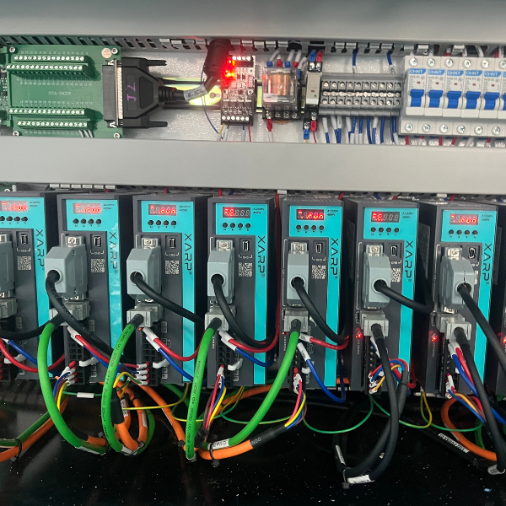
Artificial intelligence and machine learning will play an increasingly important role in optimizing SMT production processes and enabling predictive maintenance. Additionally, sustainability will become a key focus, with manufacturers developing more energy-efficient machines and eco-friendly manufacturing processes.By carefully evaluating your production needs, considering total cost of ownership, and selecting a reputable manufacturer, you can choose the perfect SMT machine for your business and position yourself for success in the dynamic world of electronics manufacturing.