Jun 26, 2026News & Insights
What is SMT? A Complete Guide to Surface Mount Technology
What is SMT? A Complete Guide to Surface Mount Technology
What is SMT? A Complete Guide to Surface Mount Technology
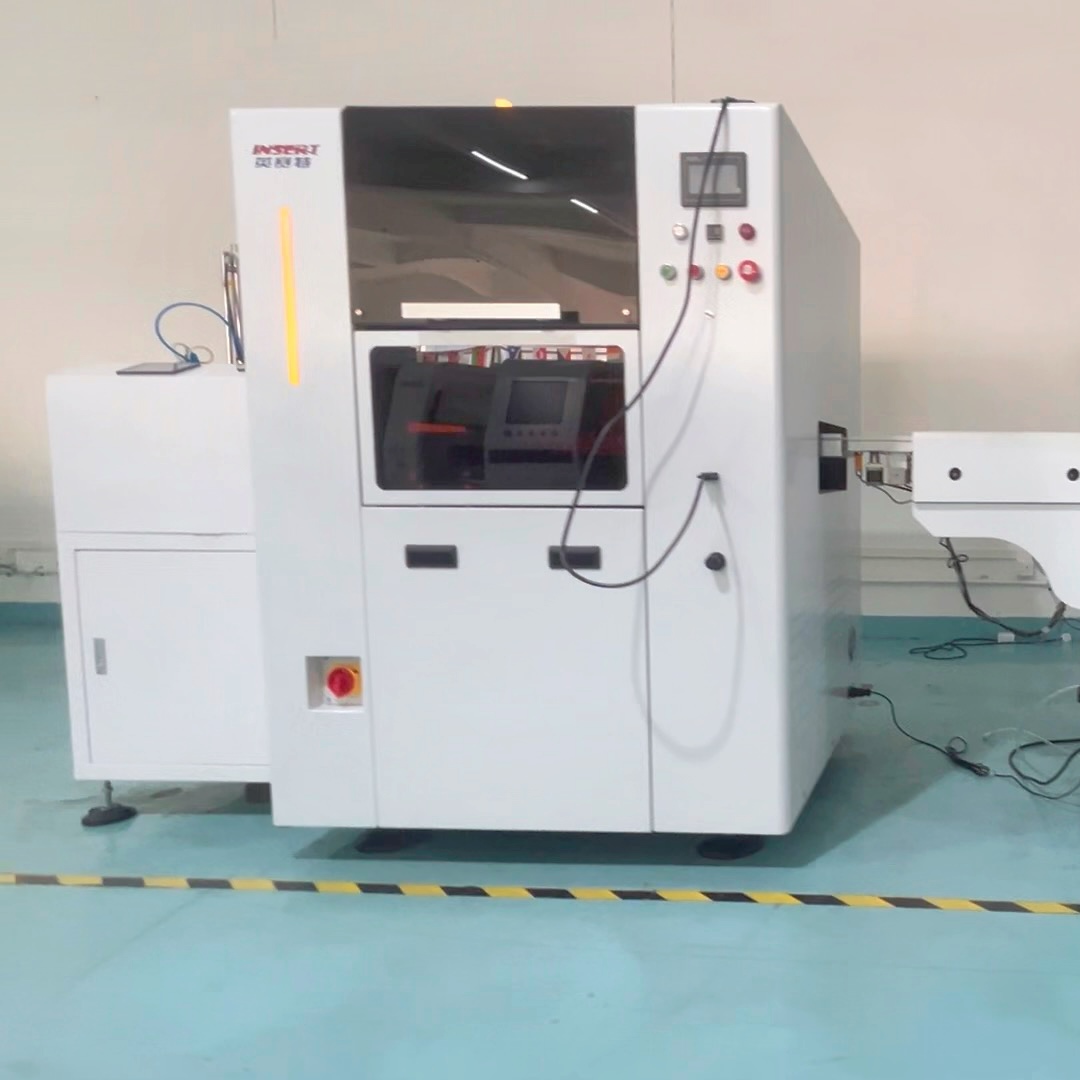
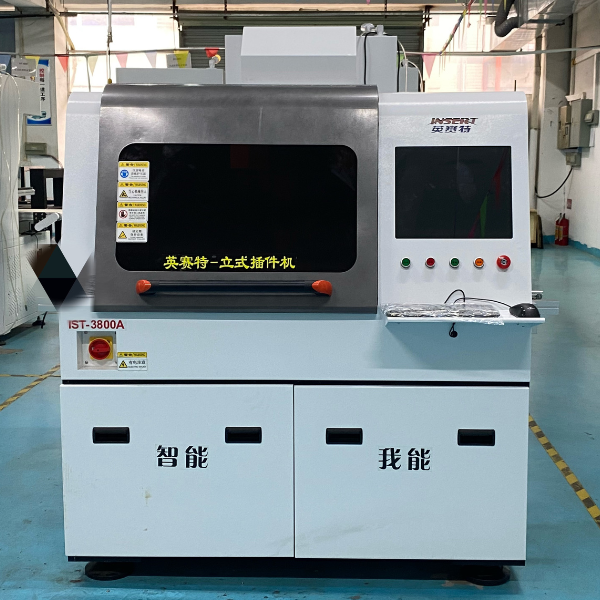
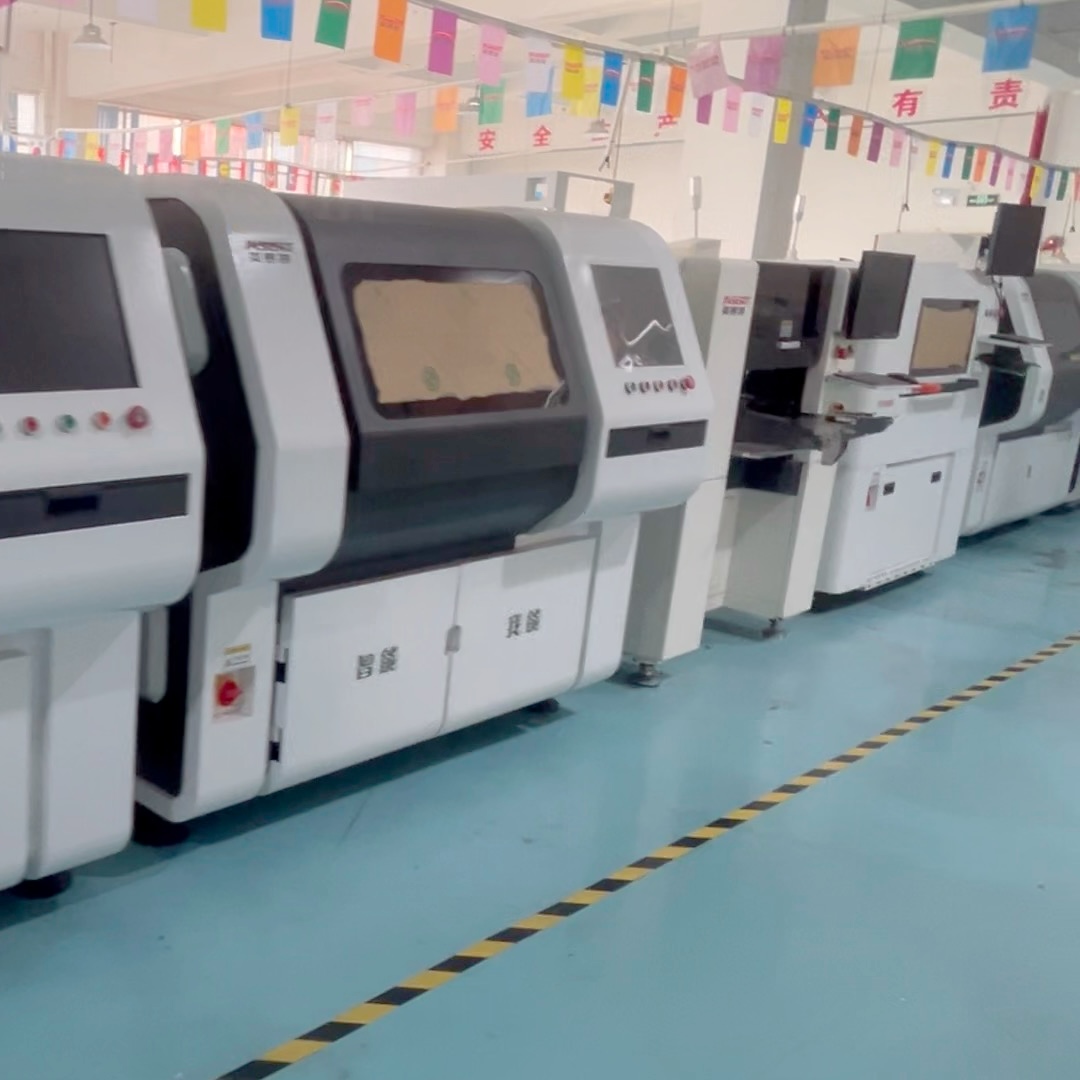
Surface Mount Technology (SMT) is the dominant electronic assembly method used in modern electronics manufacturing, replacing traditional through-hole technology to enable smaller, lighter, and more reliable devices. This guide explains SMT fundamentals, key advantages, essential equipment, and production processes.
What is SMT?
SMT stands for Surface Mount Technology, a manufacturing process where electronic components are mounted directly onto the surface of printed circuit boards (PCBs) rather than inserted through pre-drilled holes. This revolutionary approach has transformed the electronics industry since its widespread adoption in the 1980s.
Key Advantages of SMT
- Higher Assembly Density: SMT components are approximately 1/10 the size and weight of through-hole components. Implementing SMT reduces product volume by 40–60% and weight by 60–80%, enabling the miniaturization of smartphones, wearables, and IoT devices.
- Enhanced Reliability: SMT provides superior mechanical stability and vibration resistance, with significantly lower solder joint defect rates compared to through-hole assembly.
- Improved High-Frequency Performance: Shorter component leads reduce electromagnetic interference (EMI) and radio frequency (RF) interference, making SMT ideal for high-speed communication devices.
- Automation and Cost Efficiency: SMT enables full production automation, increasing manufacturing efficiency by 30–50% while reducing labor, material, and energy costs.
Essential SMT Production Equipment
Leading manufacturers of SMT equipment include:
- Solder Paste Printers: MPM, Huancheng
- SMT Pick and Place Machines: Panasonic, Siemens, Fuji
- Reflow Ovens: Vitronics Soltec, Kaitai
- Solder Paste Inspection (SPI): Koh Young, Xinghuawei
- Automated Optical Inspection (AOI): Mirtec, Jutze
SMT Production Process Flow
The standard SMT assembly process consists of nine core stages:
- Solder Paste Printing: Applies solder paste to PCB pads using a stencil printer.
- Component Placement: SMT pick and place machines accurately position components on prepared PCBs.
- Reflow Soldering: Controlled heating melts solder paste to form permanent connections.
- Cleaning: Removes harmful flux residues from assembled PCBs.
- Inspection: Uses AOI, X-ray, or ICT to detect assembly defects.
- Rework: Repairs defective boards using specialized tools and workstations.
Common SMT Assembly Variations
1. Single-Sided SMT Assembly
Process Flow: Incoming inspection → Solder paste printing → Component placement → Reflow soldering → Cleaning → Inspection → ReworkApplication: Simple electronic devices with components on only one side of the PCB.
2. Single-Sided Mixed Assembly
Process Flow: Incoming inspection → Solder paste printing → SMT component placement → Reflow soldering → Through-hole component insertion → Wave soldering → Cleaning → Inspection → ReworkApplication: Products combining surface mount and through-hole components.
3. Double-Sided SMT Assembly
Process Flow: Incoming inspection → Top-side solder paste printing → Component placement → Reflow soldering → Board flipping → Bottom-side solder paste printing → Component placement → Reflow soldering → Cleaning → Inspection → ReworkApplication: High-density devices requiring maximum PCB utilization.
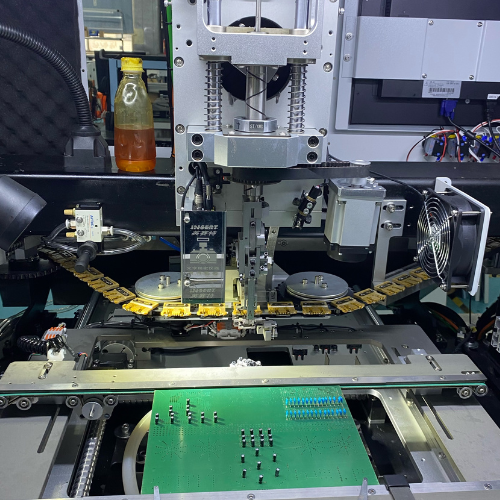
4. Double-Sided Mixed Assembly
Process Flow: Incoming inspection → Bottom-side adhesive dispensing → SMT component placement → Curing → Board flipping → Top-side through-hole insertion → Wave soldering → Cleaning → Inspection → ReworkApplication: Complex products with both SMT and through-hole components on both PCB sides.SMT technology continues to evolve with advancements in component miniaturization, machine precision, and automation, driving innovation across all sectors of the electronics industry.